
Best Places to Travel Solo as a Woman: 15 Destinations Ranked by Safety and How Easy It Is to Meet People
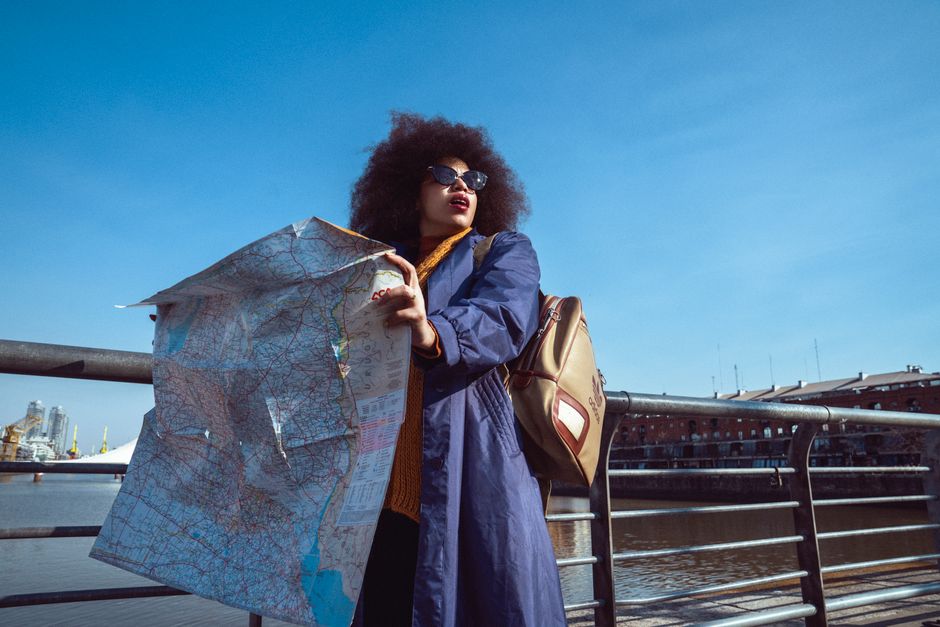
Most “best places to travel solo female” lists are one woman’s diary. That has value, but it tells you where she felt good, not where the numbers back her up. This guide does both.
We ranked destinations two ways. First, on safety, using verifiable data instead of vibes: the 2026 Global Peace Index from the Institute for Economics and Peace, the 2025/26 Women, Peace and Security Index from Georgetown University, and live government travel advisories. Second, on how easy it is to actually meet people, because solo does not have to mean lonely. A country can be extremely safe and also socially cold. The best picks score well on both.
One honest caveat before the list. The Global Peace Index measures national conflict, crime and militarisation, and the IEP itself admits it does not track violence against women, because comparable global data does not exist yet. So treat a high peace ranking as a floor, not a promise. The Georgetown WPS Index gets closer to women’s lived security. Community tools like the Solo Female Travelers Club Safety Index and Travel Ladies fill in the street-level detail. Use all of them together.
A quick note on who wrote this. My Nomad World is run by me, David, so I am not going to fake a first-person female voice. What I can do is pull the data, read the women who have done this for years, and lay it out straight.
The 15 best places to travel solo as a woman
Iceland
Iceland has topped the Global Peace Index every year since 2008, and in 2026 it holds the number one spot again. Violent crime is close to nonexistent. Kate McCulley of Adventurous Kate describes it as “leave your purse on a park bench” safe, and that is not far off. The catch is not people, it is nature. Your real risk here is weather and driving. Roads ice over fast, storms roll in without much warning, and rural stretches have no phone signal, so check road.is before every drive. Reykjavik is small enough that hostels and day tours throw everyone together, which makes it easy to find company. Expect to spend a lot, though. Even careful days run 130 to 200 dollars.
New Zealand
Second on the 2026 peace index, English-speaking, and built for backpackers. The hostel and campervan culture means you are rarely short of company, so it ranks among the friendliest countries on earth for a first solo trip. The backpacker circuit works like a rolling social club. Where you do need to pay attention is the adventure stuff and the long remote drives, so book operators with real safety records and tell someone your route each morning. Budget lands in the middle, roughly 90 to 150 dollars a day.
Japan
Japan sits at number ten on the peace index and ranks among the safest countries in the world for street crime. Women routinely report walking home at 2am without a second thought. Here is the part the glossy lists skip. Rare violent crime does not mean zero harassment, and groping on packed commuter trains is a documented enough problem that many lines run women-only carriages during rush hour. Use them. Socially, Japan is the trickier one on this list, because locals are polite but reserved, so lean on guesthouses, hostels and small group tours to meet people. Costs are moderate, around 80 to 130 dollars a day.
Ireland
Fifth on the peace index and possibly the easiest place here to fall into conversation with a stranger. The pub culture does the social work for you, and English removes the language barrier entirely. Sit at the bar, not a table, and you will not eat dinner alone. The main thing that will get you into trouble is your own bar tab, because the Irish “rounds” system gets people drunk fast. Nurse one drink and opt out. Reckon on 100 to 160 dollars a day.
Portugal
Portugal ranks seventh globally and is the most affordable safe country in Western Europe. Lisbon and Porto have a dense hostel scene, walkable centres, and a big community of solo travellers and remote workers, so meeting people is effortless between hostels, free walking tours, and surf camps in the south. The one real nuisance is pickpocketing on the Lisbon trams and in tourist crowds, so keep your phone off the table. Value is excellent for Europe at 70 to 110 dollars a day.
Slovenia
Fourth on the 2026 peace index and badly underrated. Ljubljana is tiny, walkable and calm, with Lake Bled and the Julian Alps an hour away. It gives you Central European safety without the crowds of Austria or Switzerland. The trade-off is fewer backpackers, so pick a social hostel and join outdoor tours if you want a crowd. Overall risk is low, with the usual alpine hiking caution the only real note. Costs sit around 70 to 110 dollars a day.
Austria
Sixth on the peace index. Vienna regularly lands near the top of global quality-of-life surveys, public transport runs late and clean, and solo dining is completely normal. The coffee house culture leans more observe-than-mingle, so hostels and tours are your route to people. Serious risk is minimal, beyond the usual pickpockets working the crowds around Stephansplatz. Budget mid to high, about 100 to 150 dollars a day.
Switzerland
Third globally and about as safe as travel gets. Honestly, the only thing that will hurt you here is the bill. Mountain hostels and hiking groups are the best way to find other travellers, since the cities are pricey enough that solo backpackers thin out. Plan the money side hard and check the exchange rate before you load a card, because days run 150 to 250 dollars and climb from there.
Spain
Spain sits at 27 on the peace index, lower than the northern European picks, but that number is driven by petty crime, not danger to your person. For pure ease of meeting people, it is one of the best countries on the planet. The hostel scene, late dinners and beach towns throw solo travellers together constantly, and Barcelona, Seville, Valencia and San Sebastián all have strong solo circuits. The catch is pickpocketing, especially in Barcelona and on the Madrid metro. On nights out, watch your own drink and leave with people you trust. Costs are moderate at 70 to 120 dollars a day.
Canada
Fourteenth on the peace index, English and French speaking, and reliably friendly. Vancouver, Toronto and Montreal are easy solo cities with good transit and low street risk, plus hostels and a strong outdoor and ski community for meeting people. Risk stays low year round, though winter weather is the thing to respect. Budget mid to high, about 100 to 160 dollars a day.
Australia
Twentieth on the peace index and a backpacker institution. If your priority is making friends fast, few places beat it, because the working-holiday crowd means the social scene never stops between hostels, dive courses and road-trip groups. The real hazards are sun, surf and remote driving, and rips at unpatrolled beaches catch people out every year, so swim between the flags. It is not cheap, running 100 to 170 dollars a day.
Thailand
Thailand ranks 101 on the peace index, which sounds alarming until you see why. The score reflects domestic political factors, not the daily experience of the millions of solo travellers who move through it safely every year. Kate McCulley started her long-term travels here for good reason, and Chiang Mai, the islands and the hostel circuit are wall-to-wall solo travellers. The genuine danger is the road. Thailand has one of the highest road-fatality rates in the world according to the WHO, and motorbike crashes are the leading cause of serious injury for tourists. If you have never ridden a scooter, this is not where you learn, and on the party islands you watch your drink. It is also gloriously cheap, around 30 to 55 dollars a day.
Vietnam
Vietnam ranks 41 on the peace index, higher than you might expect, and it is cheap, beautiful and easy to travel end to end. Solo women report feeling comfortable across most of the country, and the north-to-south backpacker route funnels everyone through the same hostels, so company is easy to find. The things to manage are traffic and bag-snatching from mopeds in Ho Chi Minh City, so wear your bag across your body and away from the road. Daily costs are low, roughly 30 to 50 dollars.
Costa Rica
Costa Rica ranks 62 globally and is the gentlest introduction to Latin America. Strong tourism infrastructure, a big surf and yoga scene, and locals with a well-earned reputation for warmth make the surf towns and eco-lodges naturally social. The main annoyance is petty theft, mostly from parked cars and unattended beach bags, so do not leave anything on the sand while you swim. Budget mid at about 60 to 100 dollars a day.
Mexico
Mexico is the one that needs nuance. Nationally it ranks 139 on the peace index, and that scares people off a country that is, in the right places, one of the most rewarding solo trips going. The key is that risk here is hyper-local. The US State Department issues Mexico advisories state by state, and the gap between them is enormous. A few states carry a Level 4 “do not travel” warning, while Oaxaca, Mérida and much of Mexico City are calm, walkable and full of solo travellers. Read the advisory by state at travel.state.gov before you book, then match your route to it. In the traveller hubs, meeting people is easy thanks to great hostels and food scenes, and costs stay low at 45 to 80 dollars a day. Your risk depends entirely on where you go, so check the state-level advisory, not the country headline.
Practical safety, the part that actually matters
Destination choice sets your baseline. Habits do the rest. This is what experienced solo women do without thinking about it.
Accommodation. For your first nights in a new place, pay for somewhere with 24-hour reception and strong recent reviews from solo women. Read reviews specifically for the words “safe,” “quiet at night,” and “easy from the airport.” A social hostel with private rooms gives you company and a locked door, which is the best of both.
Arrival logistics. Land in daylight if you can. Book your first night in advance so you are never wandering a new city after dark with a backpack, looking lost. Arrange airport transfer through the hotel or a licensed app rather than accepting a lift from whoever approaches you in arrivals.
Scams. Most target tourists, not women specifically, and they follow patterns. Rigged taxi meters, “the attraction is closed, let me take you somewhere better,” friendly strangers who get too helpful too fast. Learn the common local scam before you arrive. A two-minute search of “[city] tourist scams” pays for itself.
Night transport. Use registered taxis or apps where you can share your live location with someone. Sit behind the driver. Screenshot the plate and send it to a friend. Skip unlicensed cars entirely, however long the wait.
Staying connected. Get a local eSIM before you fly so you have data the moment you land. Share your live location with one person at home and keep them updated. Keep a screenshot of your accommodation address, including how it reads in the local language, so you can show a driver without needing signal.
Money. Carry a dummy wallet with a small amount of cash for the worst case, and keep your real cards separate. Do not flash a phone or a fat wallet in a crowd. For paying and withdrawing abroad without getting gutted by bank fees, the cheapest way to move money abroad is usually a multi-currency account rather than your home debit card. I use Wise for exactly this.
Insurance. Do not skip it, and do not assume your card’s freebie cover is enough for a real solo trip. You want medical evacuation and decent baggage and cancellation cover. Here is our guide to the best solo travel insurance so you can compare properly.
How to meet other travellers and women on the road
Safety is half the point. The other half is that travelling alone should not feel isolating, and it rarely does once you know where the people are.
Start with hostels, but choose them well. Not all of them are 21-year-olds doing shots. Filter for “social” or “boutique,” check the age mix in the reviews, and book one with a common kitchen or a nightly dinner. That shared meal is where solo travellers pair up for the next day.
Women-focused and small-group tours are the fastest shortcut to a circle. Companies like Intrepid and G Adventures run trips that skew heavily solo, and there is a growing market of women-only operators for anyone who wants to travel in a female group first. A single group tour at the start of a longer trip gives you a ready-made crew and the confidence to branch off alone afterward.
Then there are the communities built for this. The Solo Female Travelers Club and Travel Ladies both run large groups where women swap safety notes and meet up in the same city. Facebook groups for solo female travel stay active and are genuinely useful for a quick “who else is in Lisbon this week” post.
Above all, say yes to the structured stuff. Free walking tours, cooking classes, surf lessons, dive courses, day trips. Anything with a shared activity beats standing in a bar hoping someone talks to you, because the activity is the icebreaker. If meeting people is your main worry, we wrote a full playbook on exactly this: how to make friends in a new country. It works whether you are on a two-week trip or moving abroad for good.
FAQ
What is the safest country for a woman to travel alone? By the numbers, Iceland. It has led the Global Peace Index every year since 2008 and holds the 2026 top spot, with almost no violent crime. For a broader read on women’s security specifically, Denmark ranks first on Georgetown University’s 2025/26 Women, Peace and Security Index. New Zealand, Switzerland, Ireland and Japan all rank near the top too.
Where should I go for my first solo trip as a woman? Somewhere safe, English-friendly and easy to get around. Iceland, Ireland, New Zealand, Portugal and Japan are all gentle first trips. If you want people around you fast, Portugal, Ireland and Spain make socialising almost automatic.
Which is the best place for solo female travel on a budget? Southeast Asia. Vietnam and Thailand both run around 30 to 55 dollars a day with excellent infrastructure and huge solo-traveller scenes. In Europe, Portugal is the best value among the genuinely safe countries.
Is solo female travel actually safe? Yes, when you choose the destination with data and travel with sensible habits. Millions of women do it every year without incident. The ones who get burned usually skipped the basics: arriving at night with no booking, unlicensed taxis, no one knowing their plans. Pick a well-ranked place, book your first night ahead, and stay connected.
What is the number one safety rule for solo female travel? Someone at home should always know where you are and where you are going next. Share your live location, send taxi plates, and check in daily. It costs nothing and changes everything if something goes wrong.
What about visas? Most of the destinations here are easy for US, UK, EU and Canadian passport holders, with visa-free entry or a simple e-visa. Vietnam uses an e-visa, and the rest on this list are largely visa-free for short tourist stays. Always confirm the current rule for your nationality before booking.
The short version
If you want the safest possible trip, go north: Iceland, New Zealand, Ireland, Japan. If you want to meet people fast, go where the hostel scene is loud: Portugal, Spain, Thailand, Australia. If you want both on a small budget, Portugal and Vietnam are hard to beat. Whatever you pick, book the first night, sort your data and your money before you fly, tell one person your plan, and go. The data says the world is more open to solo women than the fear around it suggests.