
Cost of Living in Alicante, Spain in 2026: A Monthly Budget Breakdown
Alicante is the quiet bargain of the Costa Blanca. It has the beach, the sun, the seafood, and a small international airport that puts London or Manchester two and a half hours away, yet it costs less than Valencia and a lot less than Barcelona. For nomads and retirees who want Mediterranean living without the big-city price tag, it is one of the easiest cities in Spain to land in. This is a real 2026 budget breakdown, by household, with rent ranges pulled from actual listings and everyday costs cross-checked against official data.
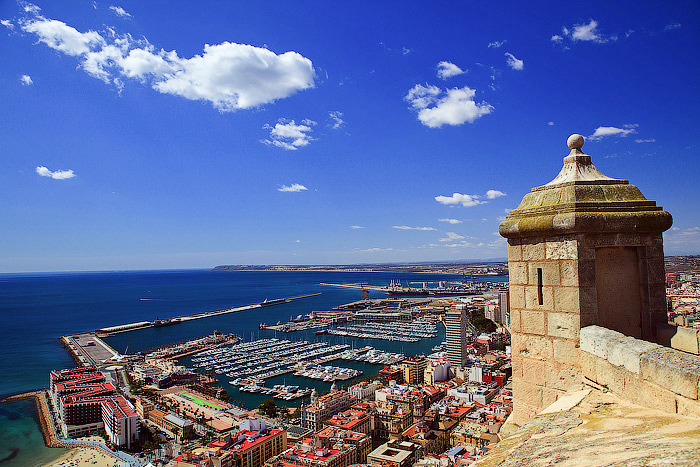
Quick version: a single person lives comfortably on roughly 1,400 to 1,800 euros a month. A couple needs about 2,100 to 2,700. A family of four should plan for 3,200 to 4,200, mostly depending on rent and whether the kids go to a private school. Here is where every euro goes.
Is Alicante cheap to live in?
For a coastal Spanish city, yes, and that is the whole pitch. Alicante is cheaper than Valencia, Malaga, Barcelona, and Madrid, while giving you 300-odd days of sun, a walkable centre, a long city beach, and a working healthcare system. Rents have crept up as more foreigners arrived, especially British and Northern European buyers along the Costa Blanca, but the base is still low. You can rent a one bedroom near the sea for less than a studio in most American or British cities.
The honest catch is the same one you hear everywhere in Spain: rent decides your budget. Live in the historic centre or right on Playa de San Juan and you pay a premium. Shop at the Mercado Central, eat the menu del dia, and pick a residential barrio a tram stop or two out, and the number drops fast.
Monthly budget breakdown: single, couple, family
★ Partner in Spain

My Spain Visa
Spain immigration & tax lawyers · 5,000+ clients since 2010, from 100+ countries
Already decided on Spain? Ask the people who made the move. Partner listing: MyNomadWorld has a commercial relationship with this firm, and readers contact them directly.
Explore these countries
 Spain
SpainHere is the line-by-line picture. Rent figures track current Costa Blanca listings on portals like idealista; everyday costs lean on Spain’s national statistics office (INE) and are cross-checked against crowd-sourced data on Numbeo (user-submitted, so treat it as a rough guide rather than gospel).
Single person: about 1,400 to 1,800 euros
- Rent (one bedroom, decent neighbourhood): 700 to 1,000
- Utilities (electricity, water, gas): 85 to 125
- Internet and mobile: 35 to 50
- Groceries: 230 to 300
- Transport (TRAM and bus pass): 30 to 40
- Coworking (hot desk): 90 to 140
- Private health insurance: 50 to 90
- Eating out, leisure, gym: 220 to 320
A nomad who cooks most nights and uses a coworking pass a few days a week sits near the bottom of that range. Add regular restaurant dinners and weekend trips up the coast and you push toward 1,800.
Couple: about 2,100 to 2,700 euros
- Rent (two bedroom): 900 to 1,300
- Utilities: 110 to 160
- Internet and two mobiles: 50 to 70
- Groceries: 380 to 480
- Transport: 60 to 80
- Coworking (one desk): 90 to 140
- Health insurance (two adults): 100 to 180
- Leisure, dining, travel: 350 to 500
Two people splitting rent and bills is where Alicante starts to feel genuinely cheap. A couple on two remote salaries can save real money here and still eat out twice a week.
Family of four: about 3,200 to 4,200 euros
- Rent (three bedroom): 1,200 to 1,700
- Utilities: 150 to 210
- Internet and mobiles: 65 to 90
- Groceries: 550 to 750
- Transport (family passes, occasional car): 120 to 250
- Health insurance (two adults, two kids): 180 to 320
- Schooling: 0 for public, 350 to 800 for private or semi-private (concertado)
- Leisure and activities: 300 to 450
Public schools are free and plenty of expat families use them, particularly for younger children who pick up Spanish quickly. The Costa Blanca also has a deep bench of British and international schools, which is the main line that swings a family budget up or down.
How much is rent in Alicante, by neighbourhood?
Rent is the headline number, so it pays to get specific. These are 2026 ranges for a one bedroom based on Costa Blanca listings. Add roughly 35 to 60 percent for a larger flat.
- Centro and Casco Antiguo: the old town under Santa Barbara castle, central and lively, can be noisy near the nightlife. 800 to 1,100.
- Playa de San Juan: the long sandy beach strip a few kilometres north, the most popular foreigner area, modern blocks and easy beach living. 850 to 1,250.
- Albufereta: a small cove between the centre and San Juan, sea views, quieter, good value for being near the water. 750 to 1,100.
- Centro residential (Mercado, Benalua): solid everyday neighbourhoods near the market and station, popular with locals and families. 700 to 950.
- Carolinas and inland barrios: cheaper, more local, a short bus or tram ride from the centre. 600 to 850.
- El Campello and outer towns (one tram stop up the coast): often better value with a beach of their own. 650 to 950.
One honest note for newcomers: long-term unfurnished leases are far cheaper than the furnished, foreigner-friendly short lets advertised on international portals. If you can sign a standard Spanish contract, you save a few hundred euros a month. The Costa Blanca also has a big holiday-let market, so prices swing with the season, and a flat that costs 800 in winter can be unavailable or double in August.
Alicante vs Valencia and Malaga cost of living
This is the comparison that sells Alicante. The weather, the food, and the Spanish coastal lifestyle are roughly the same across all three. The price tag is not.
- Rent: a one bedroom that costs 800 in Alicante runs closer to 950 to 1,400 in Valencia and 900 to 1,300 in Malaga. Over a year that gap alone is a few thousand euros.
- Eating out: a menu del dia (set lunch) is around 12 to 14 euros in Alicante, a touch under the bigger coastal cities.
- Overall: most budget watchers find Alicante 10 to 20 percent cheaper than Valencia and broadly in line with or slightly under Malaga, again with rent doing most of the heavy lifting.
What you trade away is scale. Valencia has a bigger nomad scene and more direct flights; Malaga has the airport firepower and the Marbella glamour next door. Alicante is smaller and calmer, which is exactly the point for a lot of people who move here. If you are still deciding, our guide to the best coastal cities in Spain lines them up side by side, and the cost of living in Spain hub has the full city-by-city budget data. If price is your single biggest lever, the cheapest places to live in Spain guide is worth a read too.
Is Alicante good for digital nomads and expats?
It is a steady, low-stress base rather than a buzzy hub, and a lot of remote workers prefer it that way. Fibre internet is cheap and fast, with 600 Mbps plans common across the city. The coworking scene is smaller than Valencia’s but real, with several spaces around the centre and the marina. The beach is in the city, the TRAM line runs up the coast to San Juan and El Campello, and the airport is a 20 minute drive from the centre.
That airport is a genuine selling point. Alicante-Elche handles a heavy schedule of budget flights to the UK, Ireland, the Netherlands, Germany, and Scandinavia, so popping home for a long weekend is cheap and quick. The expat community skews British and Northern European, with a growing share of younger remote workers and retirees. English gets you a long way along the Costa Blanca, though learning some Spanish unlocks the cheaper, local version of the city.
If you are weighing Alicante as a remote-work base, it pairs naturally with Spain’s digital nomad visa, which lets non-EU remote workers live here legally while working for foreign clients or an employer abroad.
Who does Alicante suit?
Alicante is a strong fit for retirees who want beach living on a fixed income, for couples and solo remote workers who value calm over nightlife, and for British movers who want easy flights home. It is less of a fit if you need a large international job market, a big-city nomad scene, or non-stop long-haul connections. For sun, sea, low rent, and an easy daily rhythm, it is one of the best value coastal cities in Spain, and it shows up repeatedly on shortlists of the best places to retire in Spain.
What income do you need, and what about visas?
If you are not an EU citizen, living in Alicante legally means a visa, and the visa sets a minimum income. The two routes most people use:
- Non-Lucrative Visa (NLV): for people with passive income or savings who will not work in Spain, so retirees and the financially independent. The income requirement is around 2,400 euros per month. Details on the non-lucrative visa page.
- Digital Nomad Visa (DNV): for remote workers and freelancers with foreign clients or employers. The requirement is roughly 2,850 euros per month gross.
Both numbers comfortably cover a single person’s Alicante budget and most of a couple’s. They are minimums to qualify, not what life actually costs. The paperwork is where people get stuck, so it is worth talking to people who handle these applications every day before you commit to a flat. Tax treatment depends on your residency status and where your income comes from, which is another reason to get advice early rather than guess.
Frequently asked questions
Can you live in Alicante on 1,500 euros a month?
A single person can do it comfortably. Keep rent under 850, cook at home most nights, and 1,500 covers a good life with room to eat out and travel a little. It is one of the easier coastal cities in Spain to live well on a modest budget.
What is rent in Alicante?
A one bedroom runs roughly 600 to 1,250 a month depending on the area, with Playa de San Juan and the old town at the top and inland barrios at the bottom. Larger flats and furnished short lets cost more, and prices spike in summer.
Is Alicante cheaper than Valencia?
Yes, modestly. Most people find Alicante around 10 to 20 percent cheaper overall, mainly on rent, while food and lifestyle stay very similar.
Is Alicante good for retirees?
Very. The climate is mild year-round, the city is flat and walkable, healthcare is solid, the beach is in town, and the airport makes trips home easy. It is one of the most popular retirement spots on the Costa Blanca, especially for British and Northern European movers.
Cost figures reflect 2026 estimates from idealista (rent), INE (consumer prices), and Numbeo (crowd-sourced, user-submitted). Treat them as planning ranges, not quotes. Visa income thresholds and tax rules move with current legislation, so confirm the latest figures with a qualified adviser before you act.